
LNI Origins
Hello! My name is Ali.
I'm a Wittenberg grad of 2017 and one of the students to be on Dr. Scott Rosenberg's 2014 trip to Lesotho. When LNI began as a research project six years ago, I don't think any of us could have imagined where we would be today, celebrating the 5th anniversary of our first pack. In honor of our organization's success, I want to explain how and why LNI was created.
In the summer of 2014, Dr. Rosenberg took about 20 Wittenberg students to Lesotho, as he does almost every year. If you are not familiar with these trips, they are full of different projects like building playgrounds and orphan-headed homes with Habitat for Humanity. Whenever you aren't working on projects, your time is full of lessons on Basotho history and culture. Every project we worked on was asked for by Basotho communities (e.g., planting fruit trees, building playgrounds, educational paintings in schools, or building homes for orphans and vulnerable children). Many projects were led by Basotho, whom we had the chance to learn from and engage with about their life and culture. Dr. Rosenberg also had Basotho professors speak to us about Lesotho's issues with climate change, HIV/AIDs, and childhood malnutrition. By the end of the trip, it was hard not to have a love and appreciation for Lesotho.
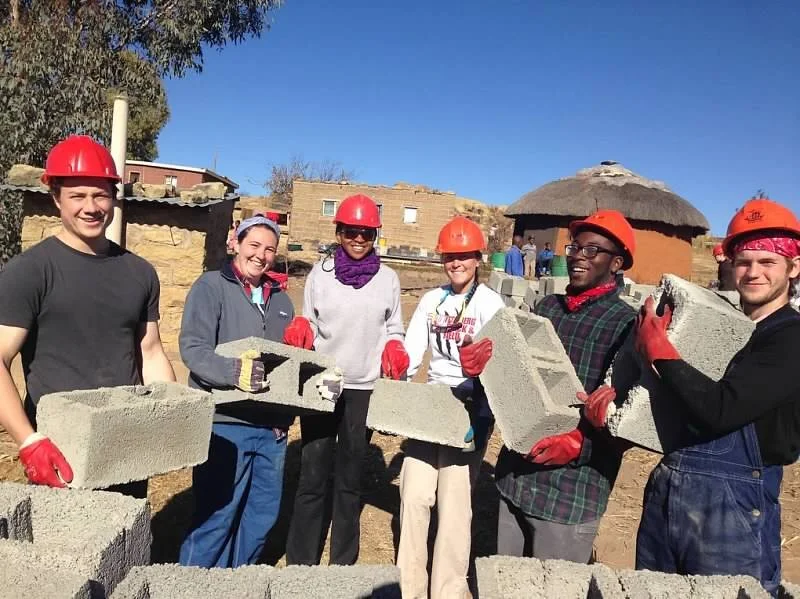
After returning to the US, a group of students who went on the trip wanted to see if they could do more to support Lesotho outside of the yearly trips. As a result, Dr. Rosenberg put together a research group of roughly 15 students with various concentrations to see if we could help. In many of Dr. Rosenberg's classes, he teaches about failed aid and development projects that have happened throughout Lesotho's history. These projects fail for many reasons, but a central theme is that organizations outside of Lesotho carry out "development" projects in Lesotho without any input from the local community or sometimes even making money off their projects, leaving little to no benefit to the communities they disrupt. We wanted to do the opposite and see where we could make a positive impact responsibly, so it was essential for us to find an issue we could handle and in an area that has been mostly neglected in Lesotho. HIV/AIDs is undoubtedly one of Lesotho's most serious problems, along with climate change and food insecurity. Many organizations are already focused on HIV/AIDs in Lesotho; creating another could take money away from Basotho-led organizations' current efforts. It was not feasible to carry out projects regarding climate change in Lesotho from Ohio, so for us to focus on chronic malnutrition and stunting in children under 5 made the most sense.
Once we decided what our focus was, we hit the ground running. Half of the class focused on combating malnutrition and its effects on children. The other half focused on identifying malnourished children in Lesotho and how to supply them with meals regularly. We soon found the Mathile Institute in Dayton, OH, and were extremely impressed with their nutritional supplement's results on malnourished children under five years of age. Around the same time, we found a handful of potential partners in Lesotho that we could work with, such as World Vision, World Food Program (WFP), Catholic Relief Services, Sentebale, different government departments, and Touching Tiny Lives. Once we all collaborated to develop a potential product and how we wanted to present our idea to our partners, it was time to see if our plan could turn into a reality.
Dr. Rosenberg received support from Wittenberg to go ahead with our plan, so he, two other students, and myself traveled to Lesotho for ten days to do a feasibility study. Our research group worked together to prepare packets and proposals for the trip that ended up being successful. Almost every organization we met with agreed to work with us or help us in some capacity. We learned a lot from each of them.
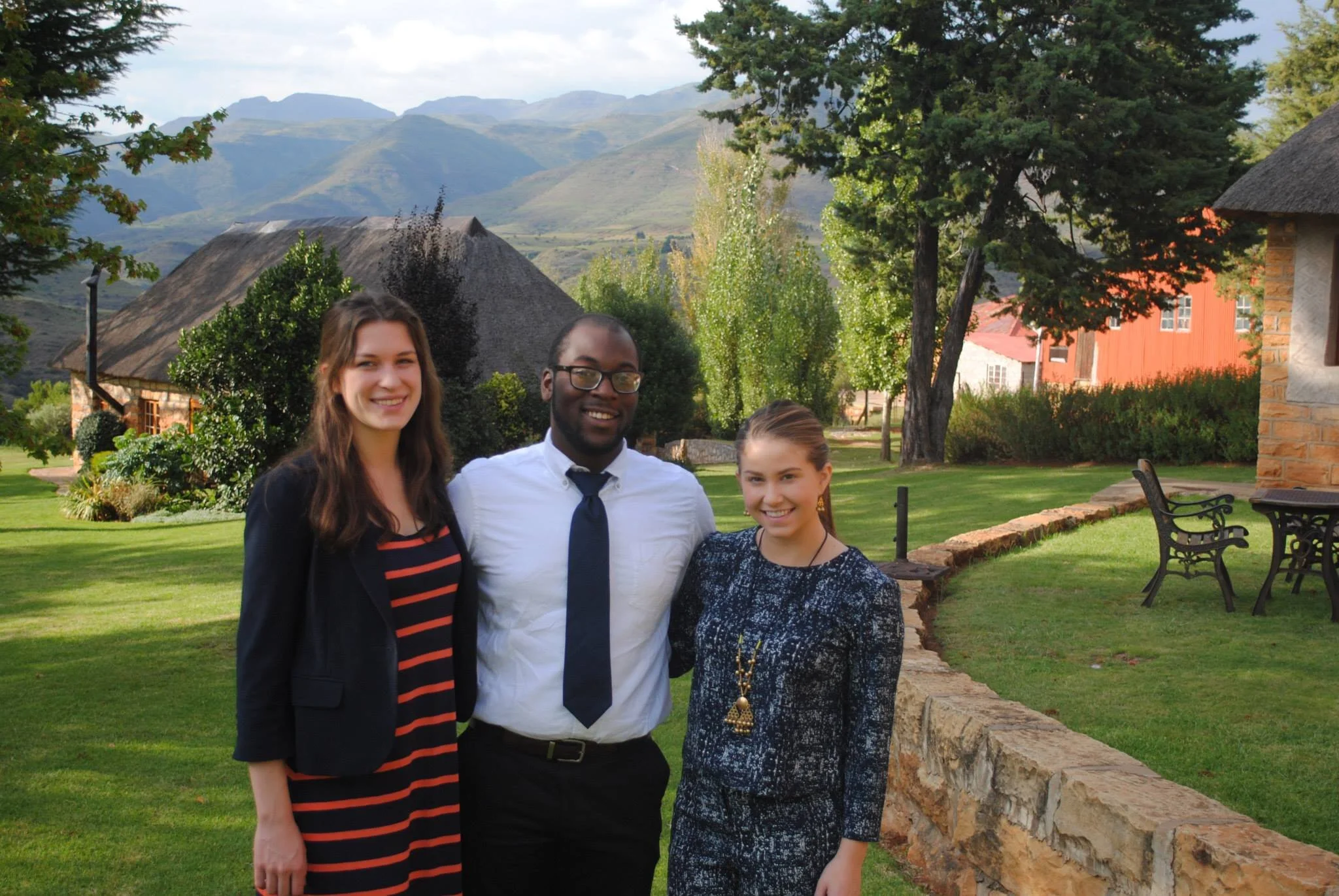
From the left: Maggie Munns, Issac Cason, and Ali Kukovich
When comparing the Mathile Institute's nutrition supplements to the WFP's super cereal, we found that Mathile's product had more macro and micronutrients. We left Lesotho feeling confident that we had the partners in place to identify and feed children suffering from malnutrition, but we still needed to find a way to produce our product.
Once we got back to Wittenberg, we started working on the remaining pieces of the puzzle. We initially met with different mills in Lesotho to see if we could produce a traditional sorghum porridge to mix into the nutrition supplement. The sorghum would be a familiar taste for Basotho, and we saw many benefits to making our product in Lesotho, but unfortunately, it was not possible. Our other option was to meet with the Mathile Institute to learn from them and see if we could access their product. Although our initial meeting with them proved unsuccessful, they eventually connected us with an incredible organization called Pack Away Hunger.
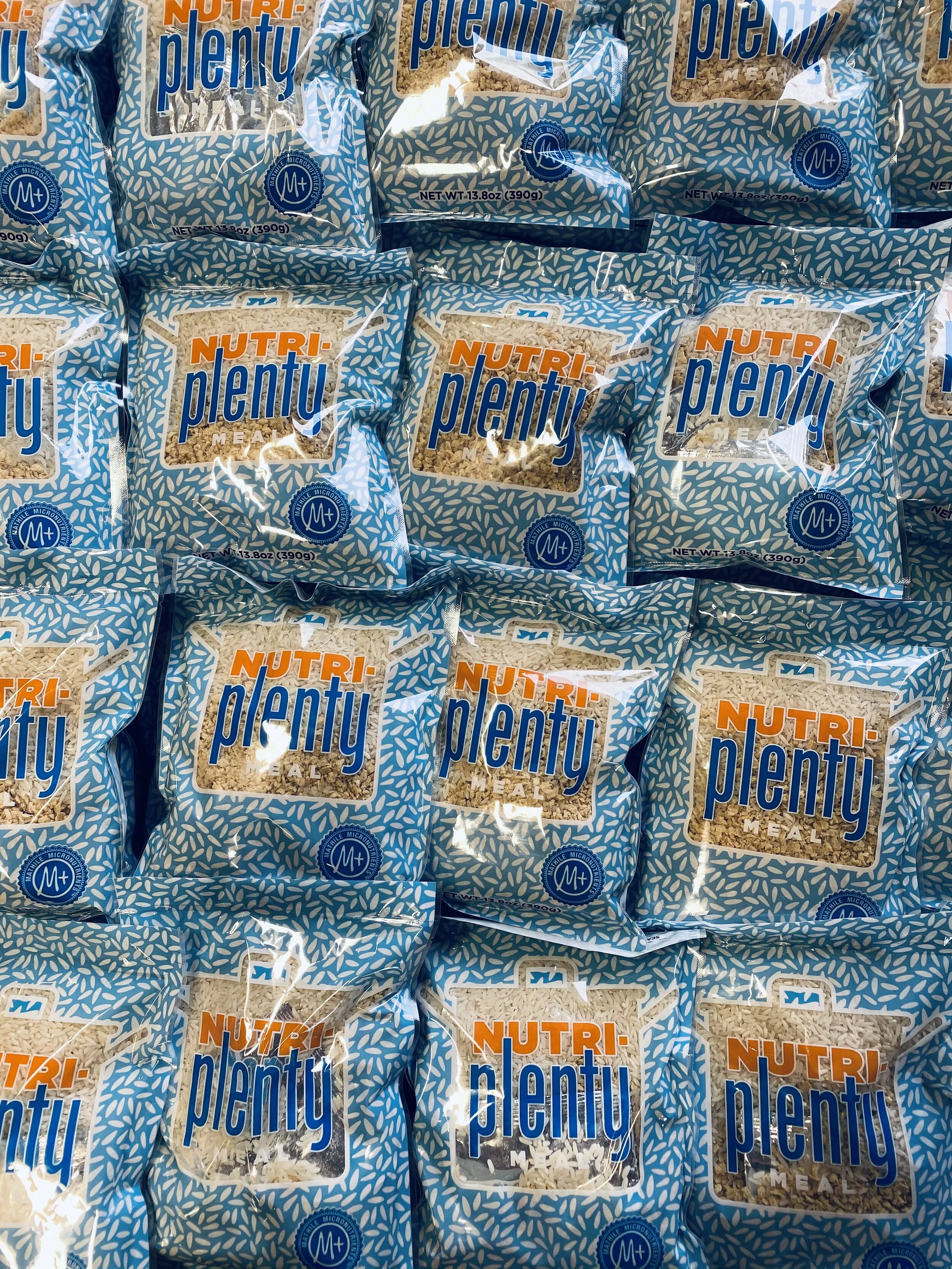
Pack Away Hunger puts together meals in an assembly line fashion made with rice, soy, dehydrated vegetables, and the Mathile Institute's nutrition supplement. It was a dream come true. Once we partnered with Pack Away Hunger, they were kind enough to take us under their wing and teach us everything we needed to know about running packing events. It was five years ago this Saturday that they walked us through our first pack, and since then, we have packed over 2 million meals and are feeding 3,300 Basotho children per year.
I don't think any of us from that original research group expected LNI to grow to where it is today. If I were told in 2014 that LNI would become an official 501(c)3 non-profit organization or that I would end up living in Lesotho while working for one of our partners, I'd think it was too good to be true. I am astounded at what has come from this and the impact it continues to have.
All of us at Lesotho Nutrition Initiative are grateful for everyone who has supported us over the past five years, including our partners in the US and Lesotho. We could not do this work or reach our goals without you. Thank you so much.
Ali Kukovich